

July was an incredibly hot month in Southeast Asia. But it didn’t stop us from journeying to Ayutthaya, a historical city in Thailand that was once the former capital of Siam.

Admiring the magnificient Wat Chaiwatthanaram at Ayutthaya. Yorkminster Roses backpack from our Design Shop, based on flowers we drew and grew in West London, accompanies us on this trip.

Surveying the Buddha of Wat Mahathat. The Diana backpack takes care of our logistical needs on this tour.
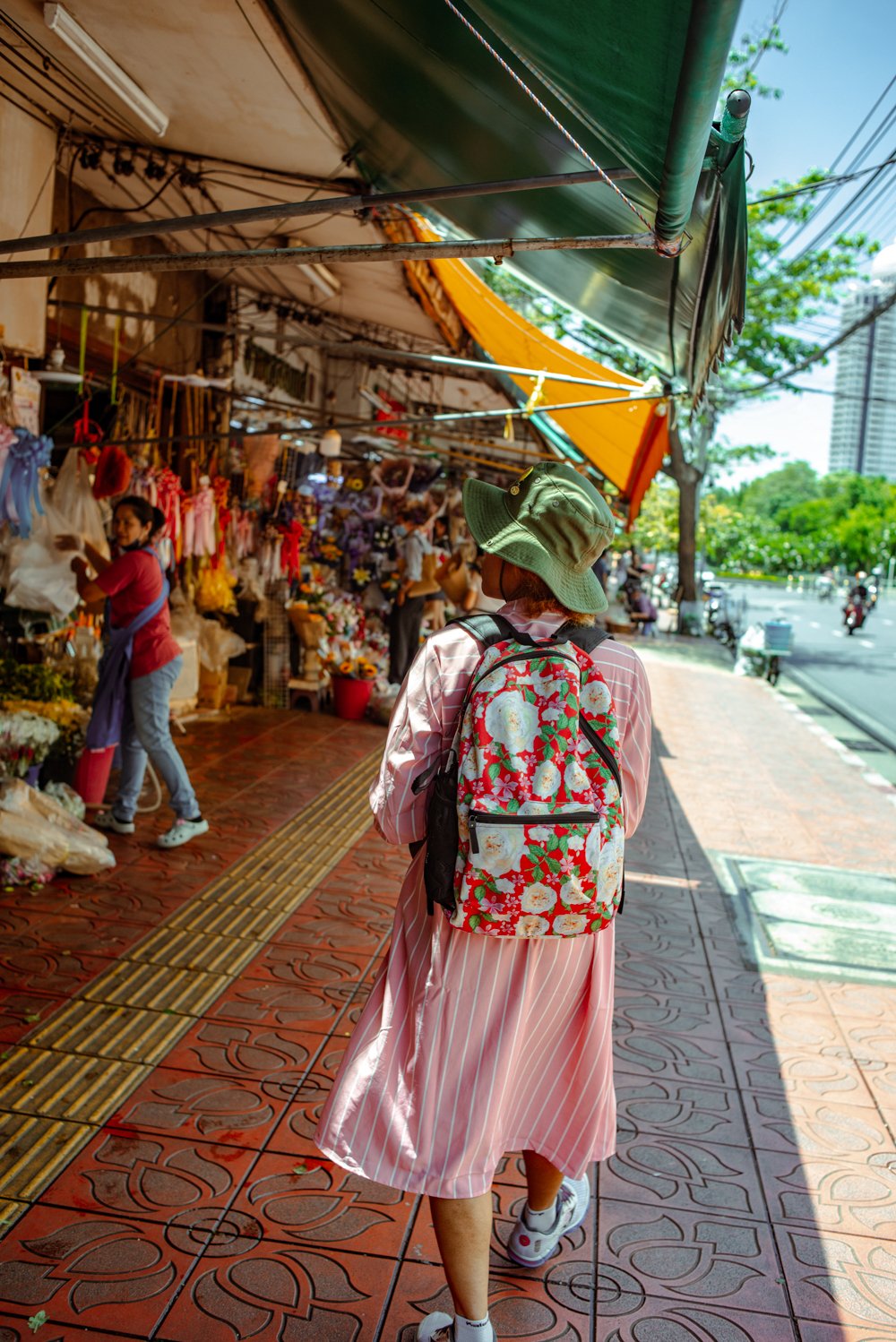
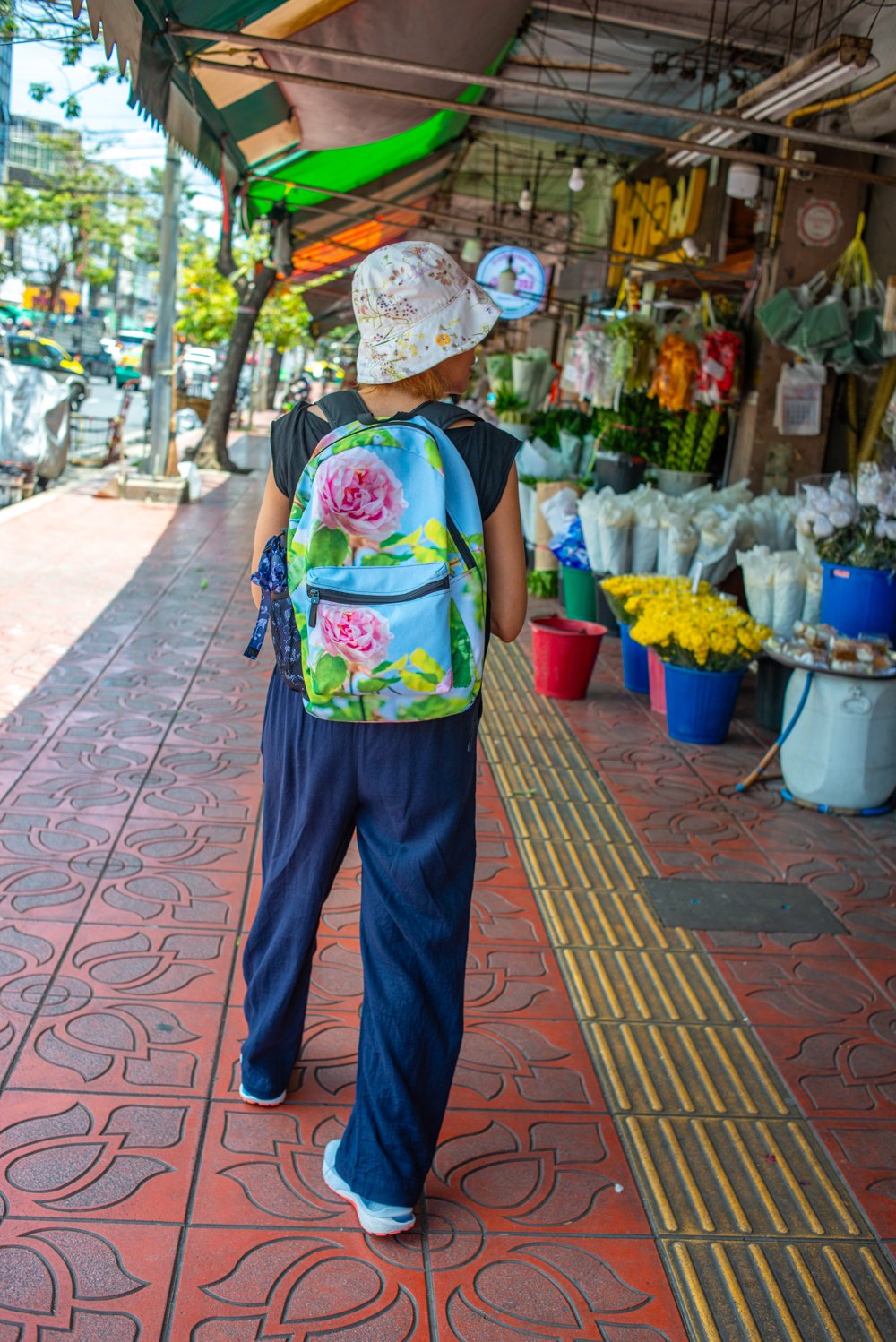
We brought with us the Diana and Yorkminster Rose backpacks from our Design Shop. The former is from our Roses photography series and the latter from our Suasana watercolour illustration series. The iPhone case we used was the Fulham Rose, the design based on flowers we grew and drew in West London.
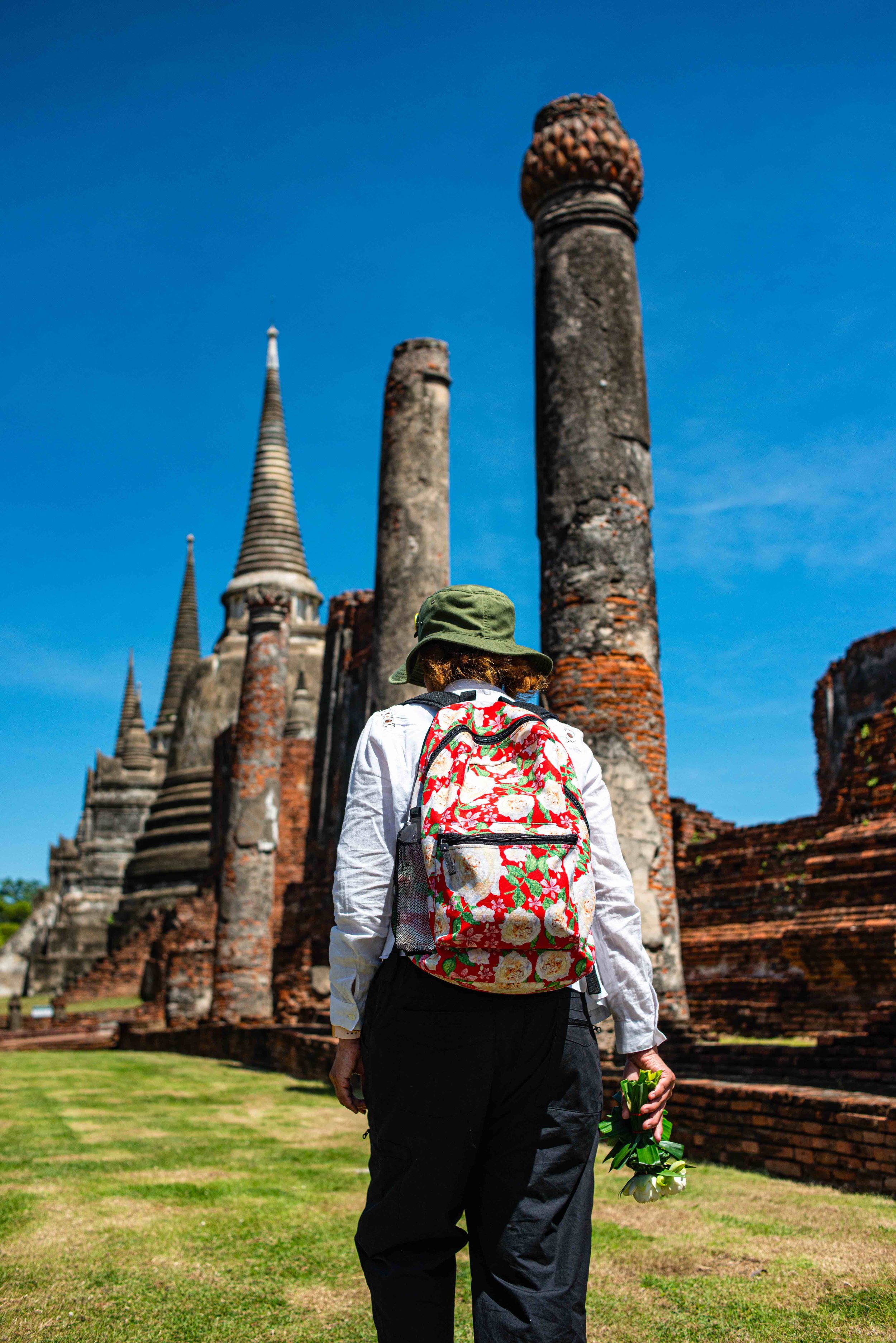
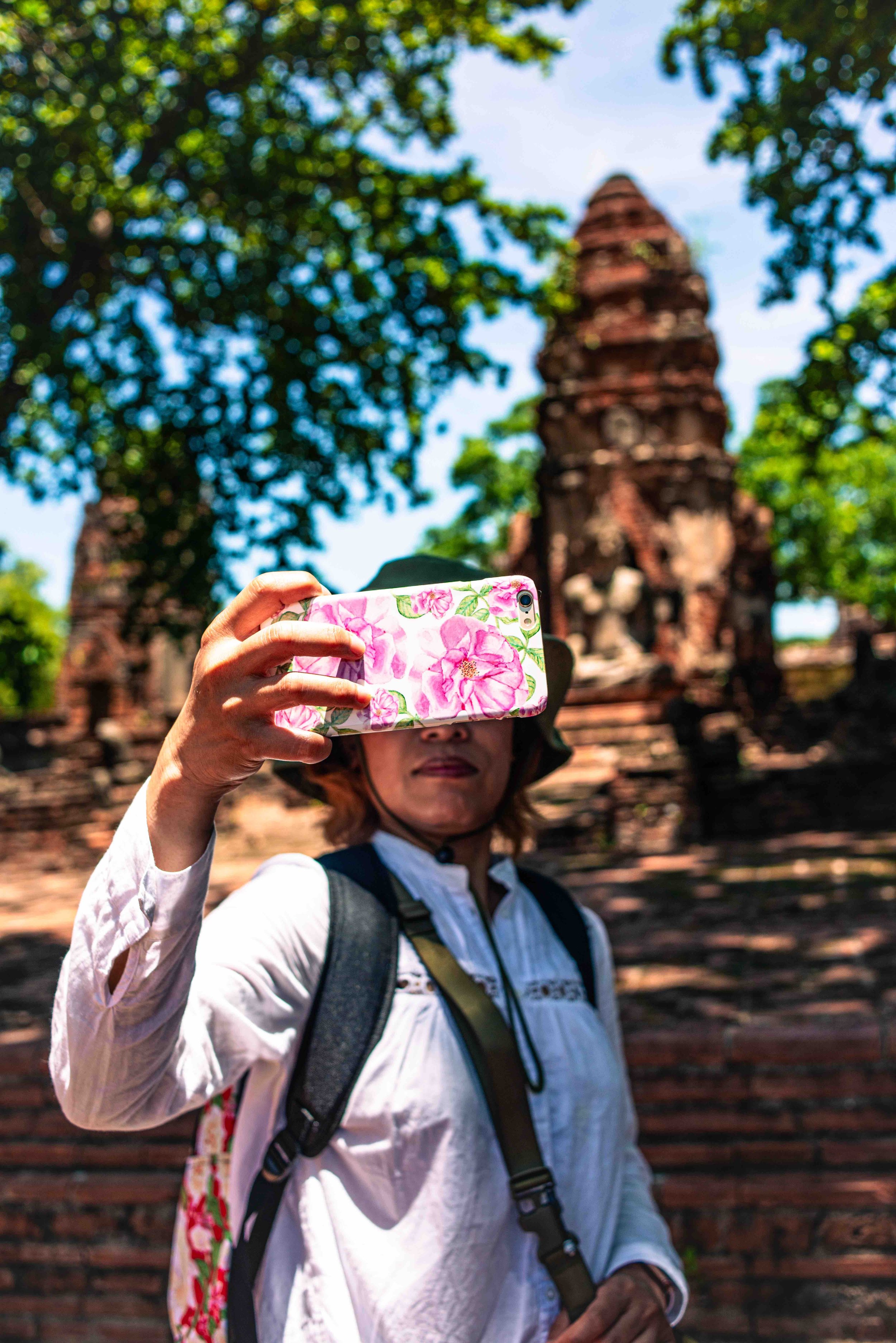
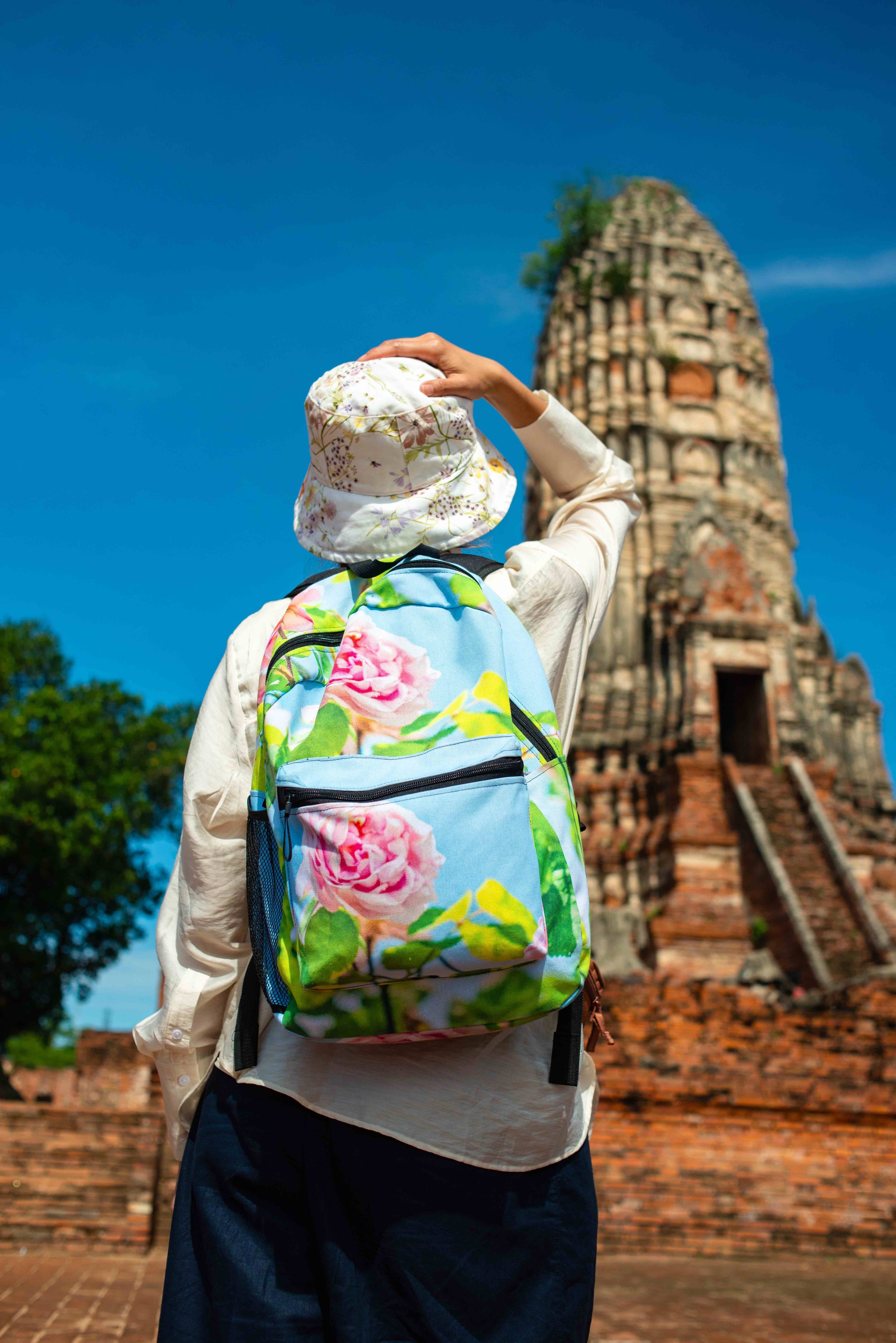
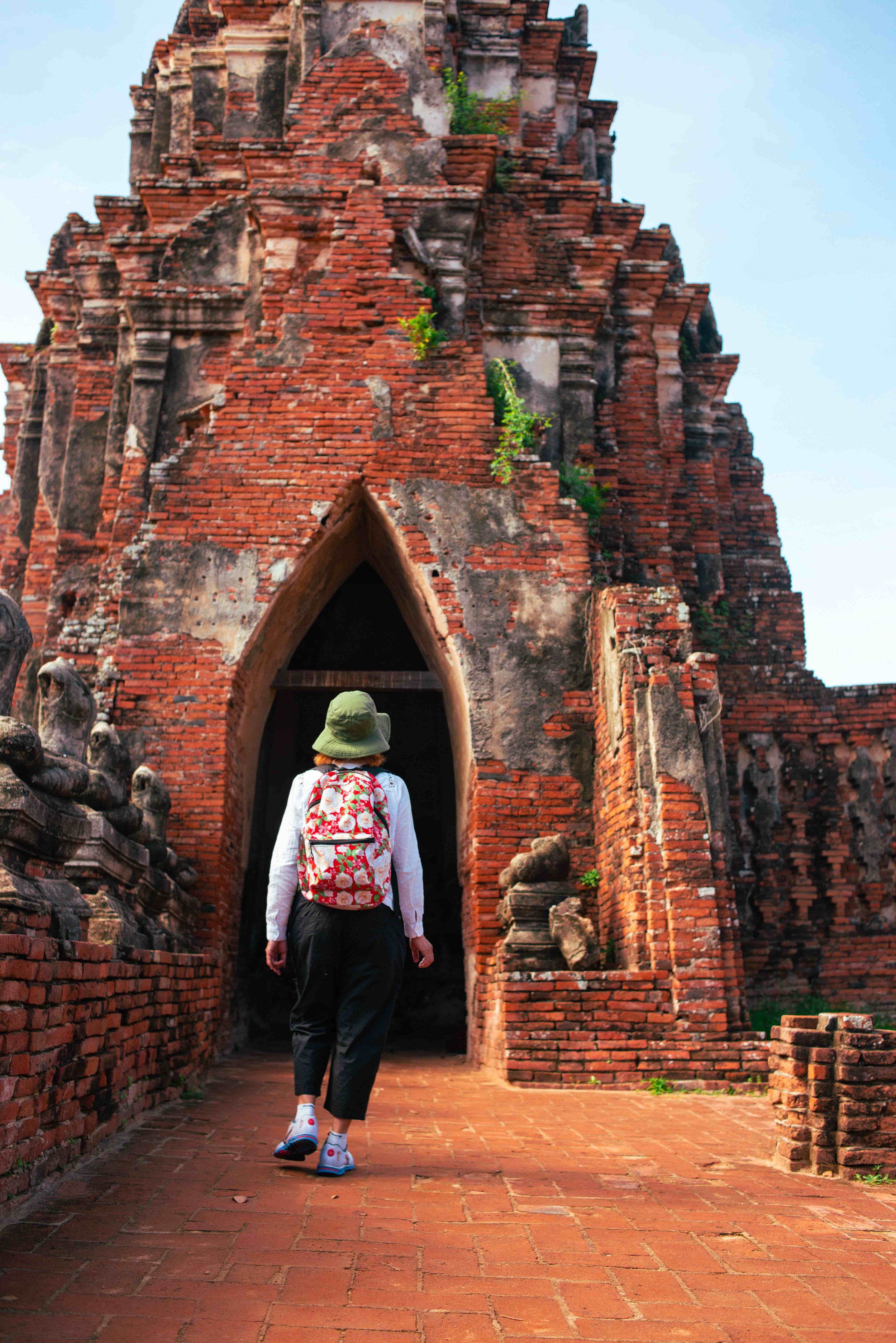
We visited four main sites within the city:
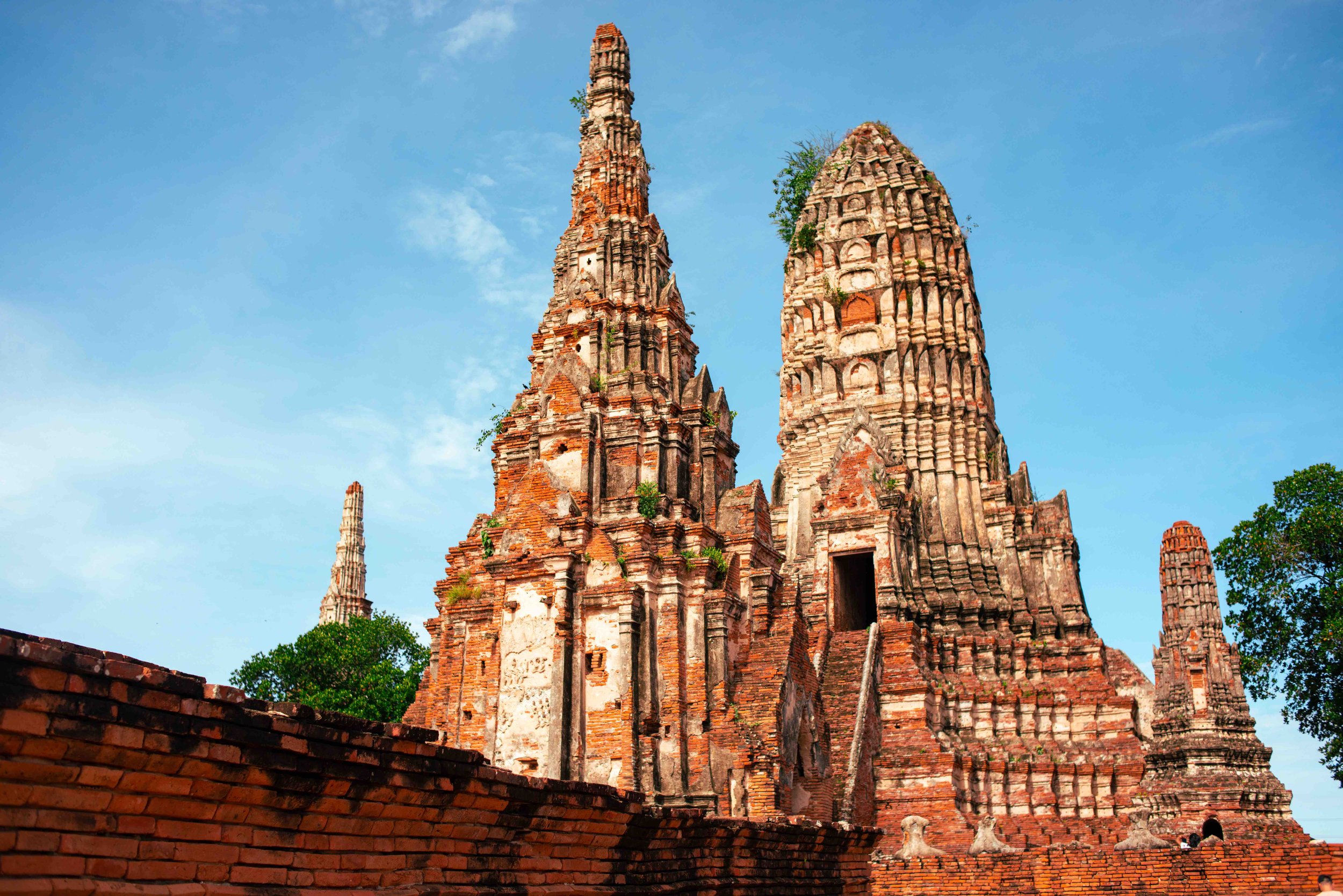
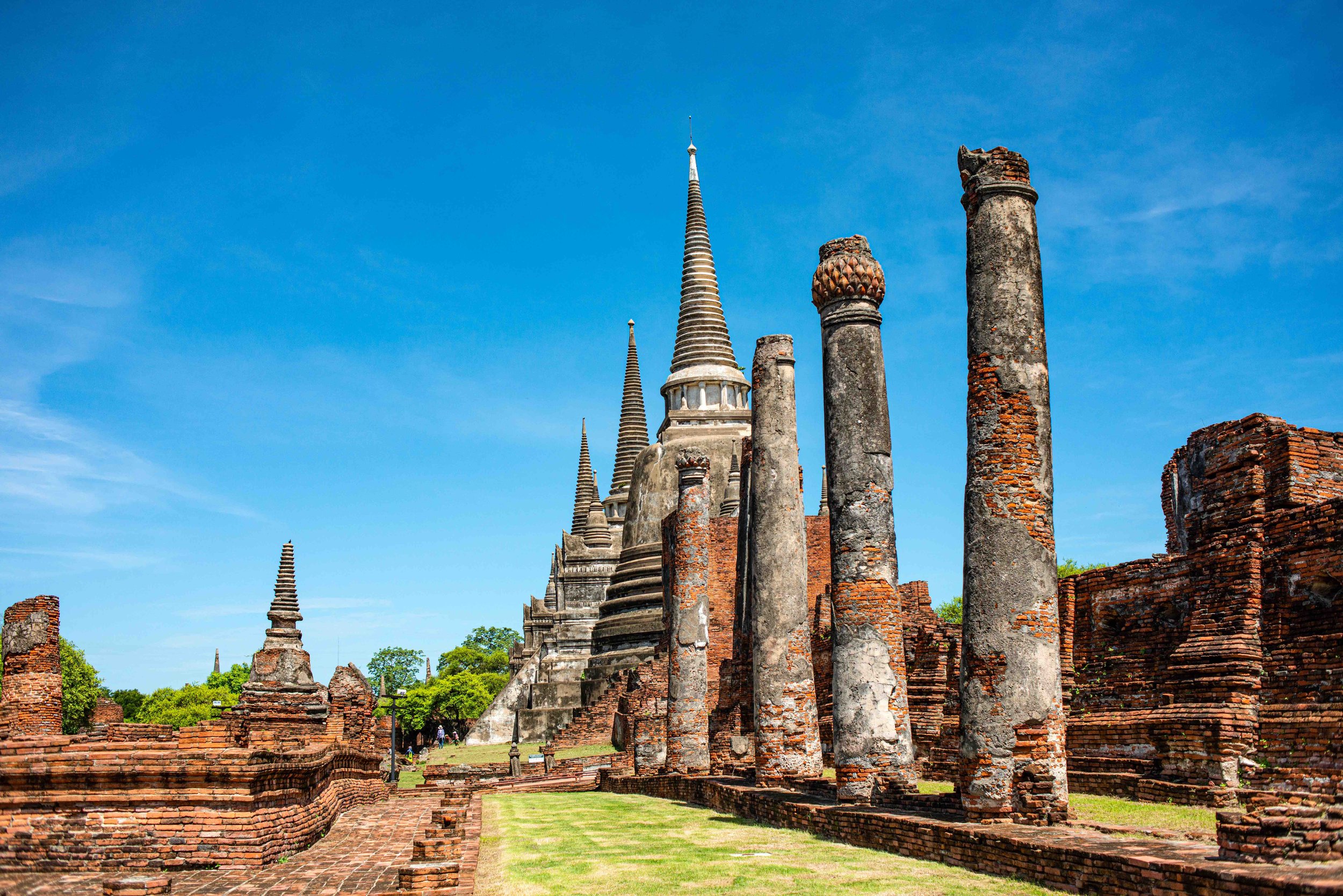
- Wat Chaiwatthanaram, an elegant stone complex by the Chao Phraya River, outside the Ayutthaya island.
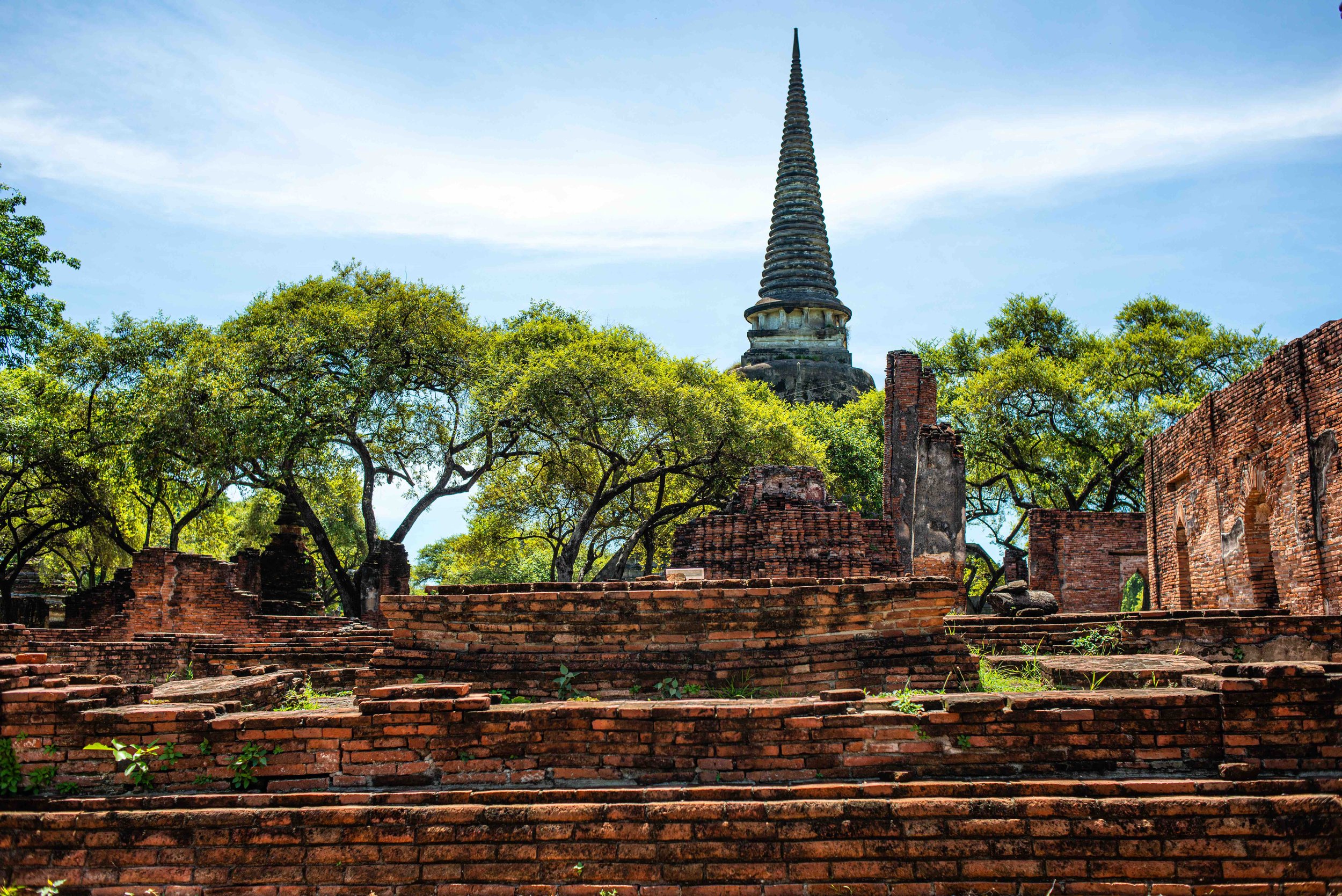
- Wat Phra Si Sanphet, a temple ruin within the old Royal Palace, used exclusively by members of the royalty
- Wat Mahathat, a temple famous for the Buddha head partly buried in the bodhi tree within its compound.
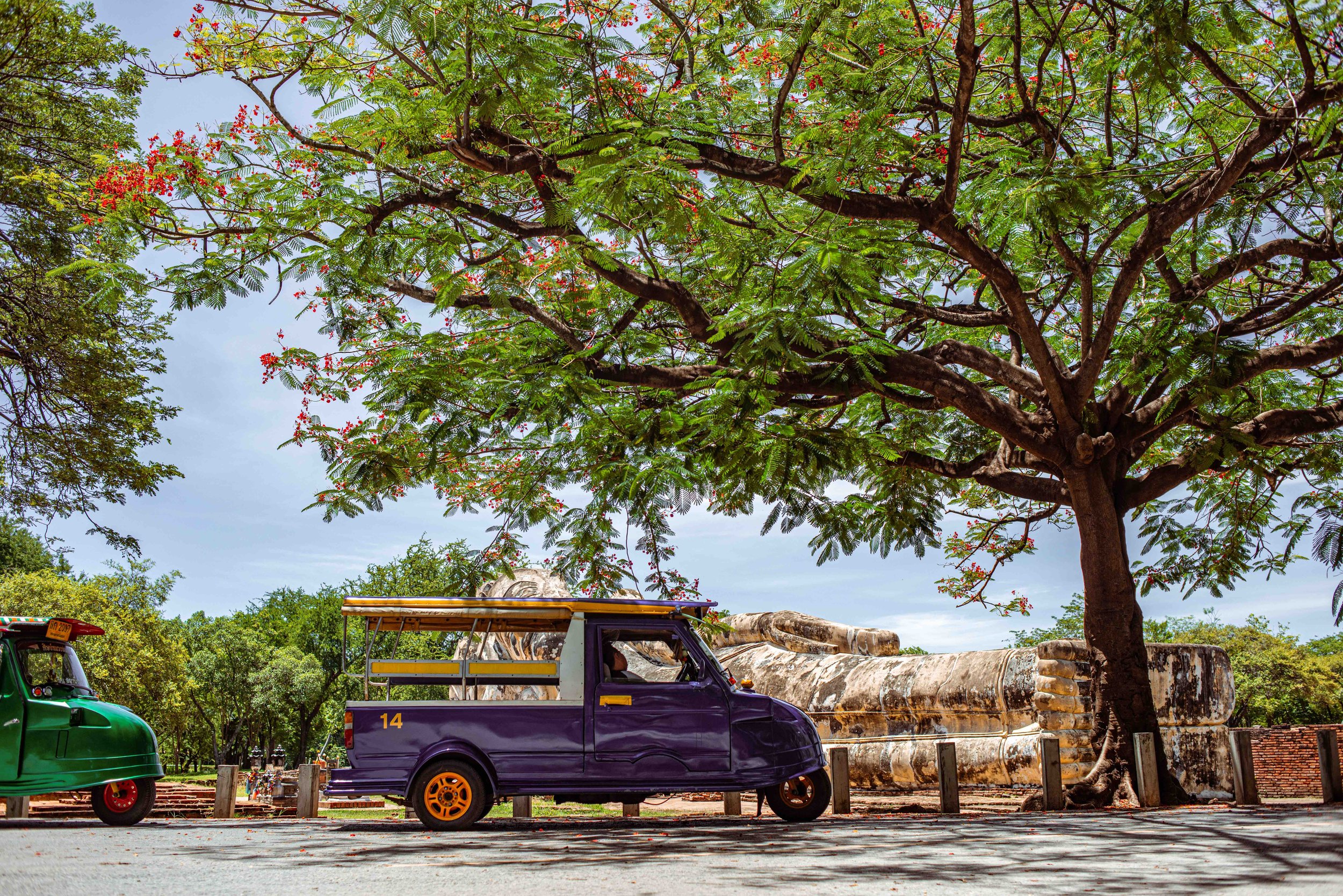
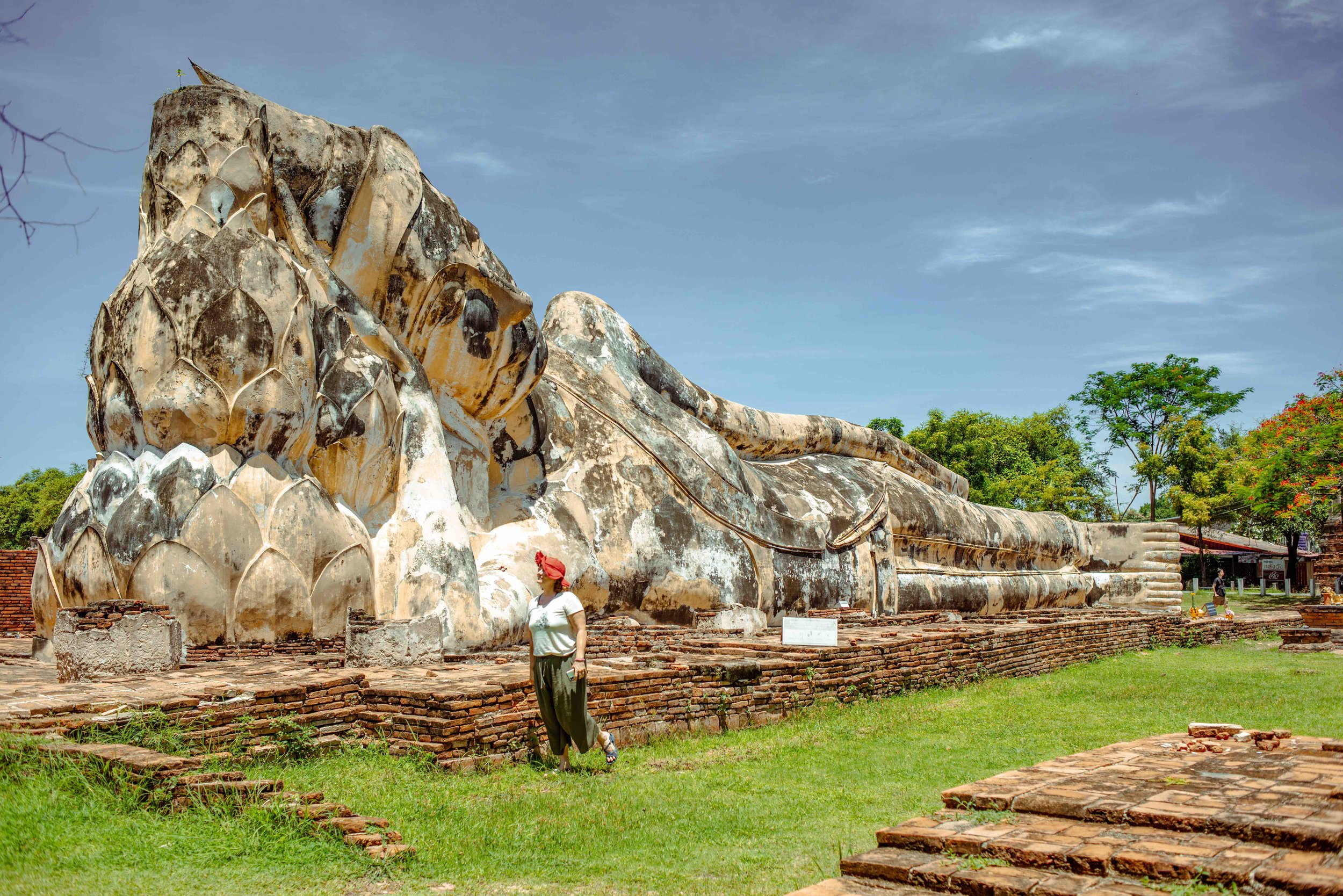
- Wat Lokaya Sutha, known for the reclining Buddha statue.
A city of splendour
Ayutthaya is an island surrounded by the Chao Phraya River. In the past, the river was wider and acted as a moat that protected the capital city. However, the city’s defence was successfully breached by the Burmese in 1767. In 1768, Siam relocated its capital to Thonburi, now part of Thailand’s capital city Bangkok.
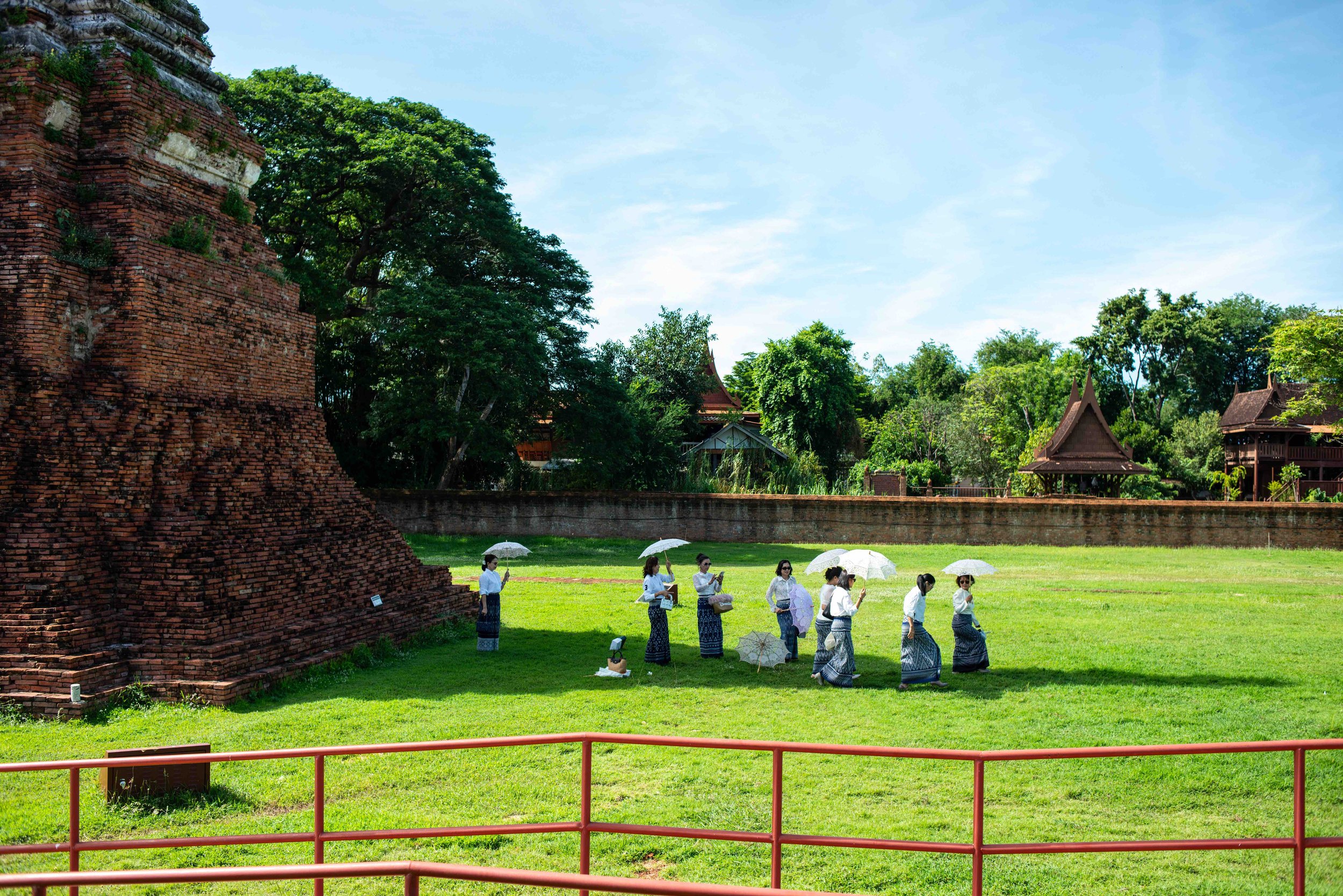
At its height, Ayutthaya’s buildings were ornate with gilded roofs and stupas, and intricate engravings and carvings. In its present state, the buildings are pared down to stonework. And yet, the architecture of scale and splendour continues to impress visitors.
The river surrounding the city is now much narrower, and the unseasonal hot weather drives down the water level. This is a concern to farmers growing crops nearby.
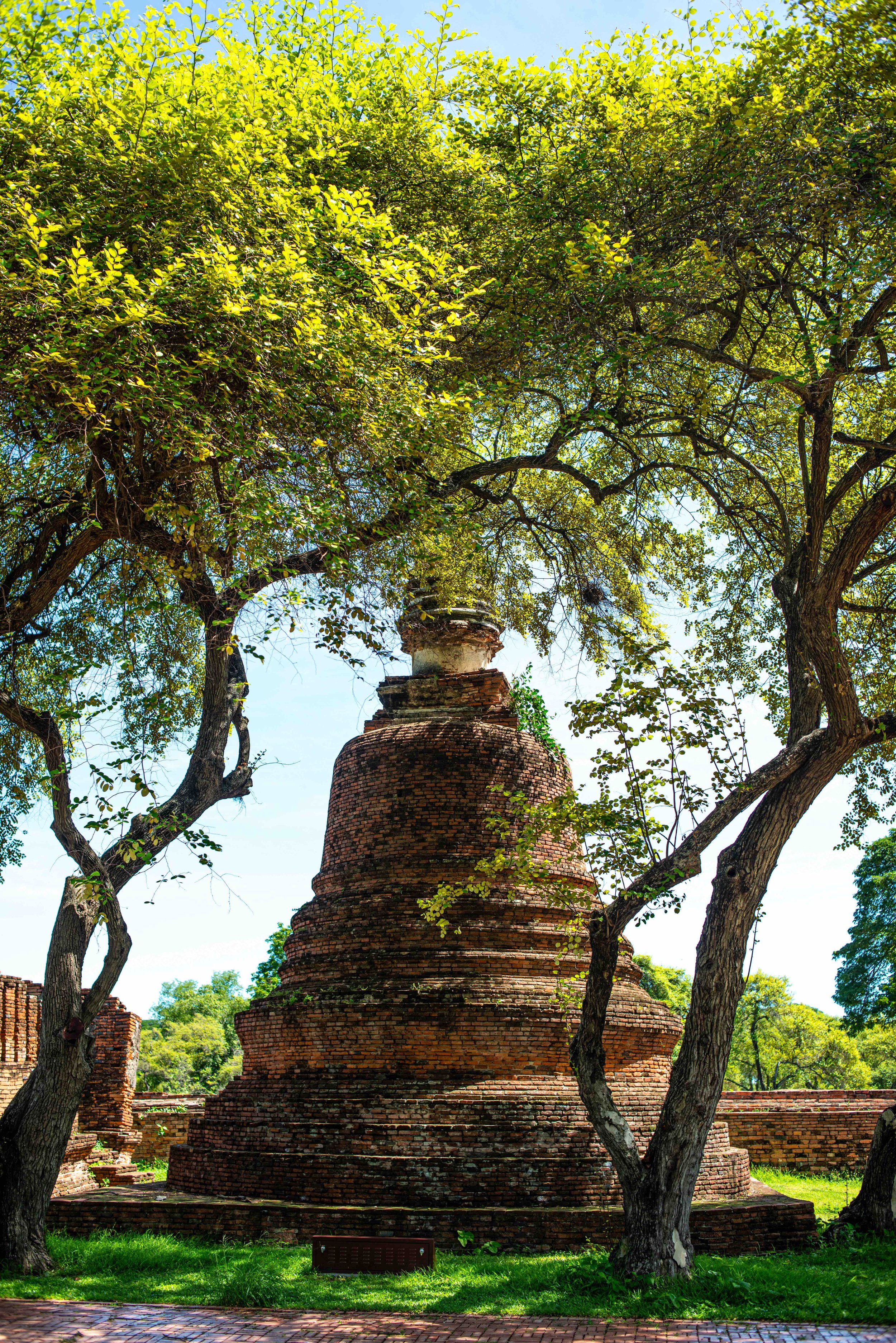
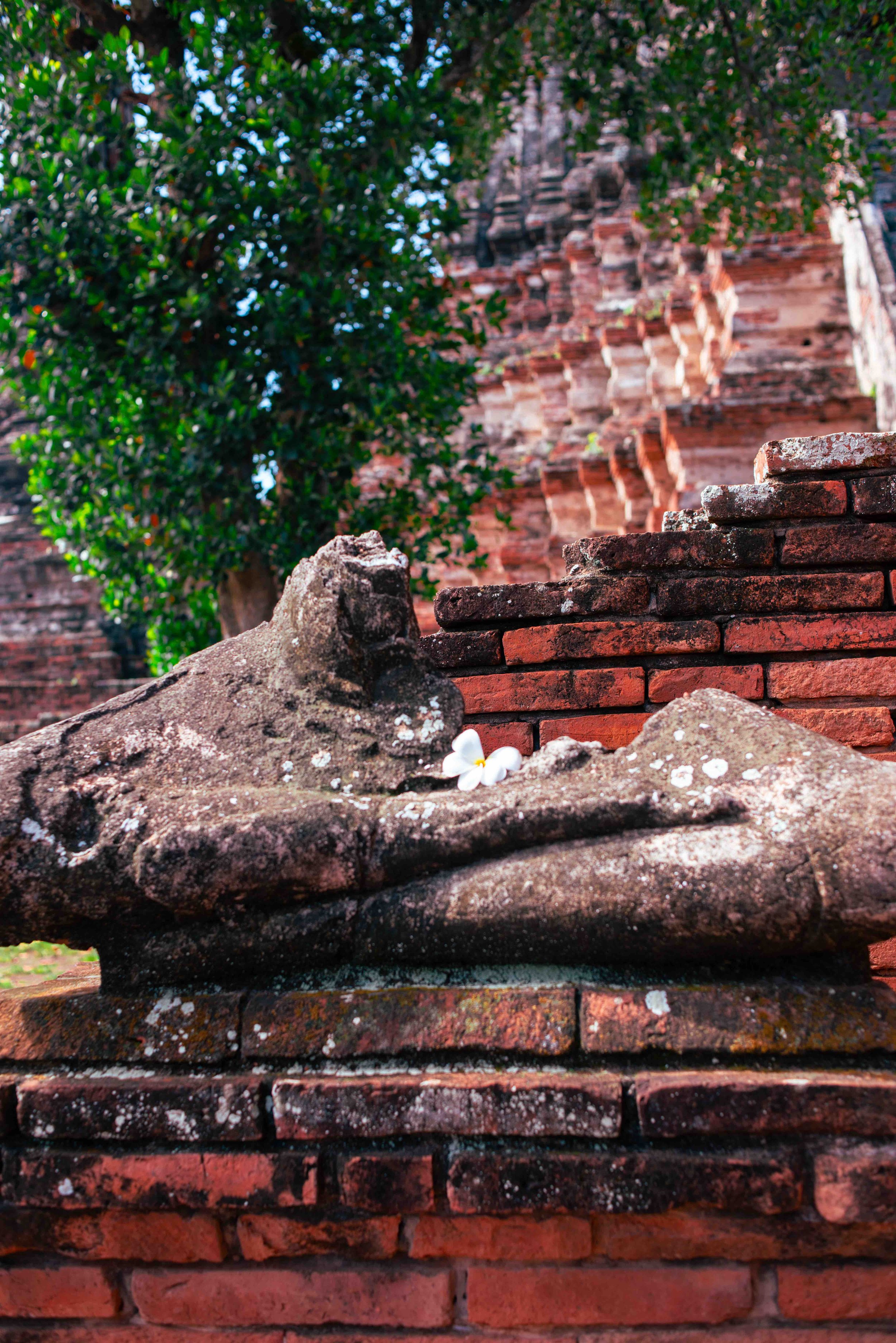
Walking around the complexes, we had a rough idea of what the monks and royal gardeners planted in the past: jackfruits for consumption – possibly a substitute for meat; royal poinciana trees, their red flowers a reminder of the mandarava trees that rain blossoms on the Bodhisattvas; frangipani trees to perfume the landscape; pandanus for food flavouring, offerings and fragrance; jambu or rose apple trees; and bodhi or sacred fig trees. These were plants that say something about the lives and the beliefs of the people then.

The famous Buddha head in the bodhi tree at Wat Mahathat. It adds to the aura of mystery of the place.
Bangkok’s Flower Market
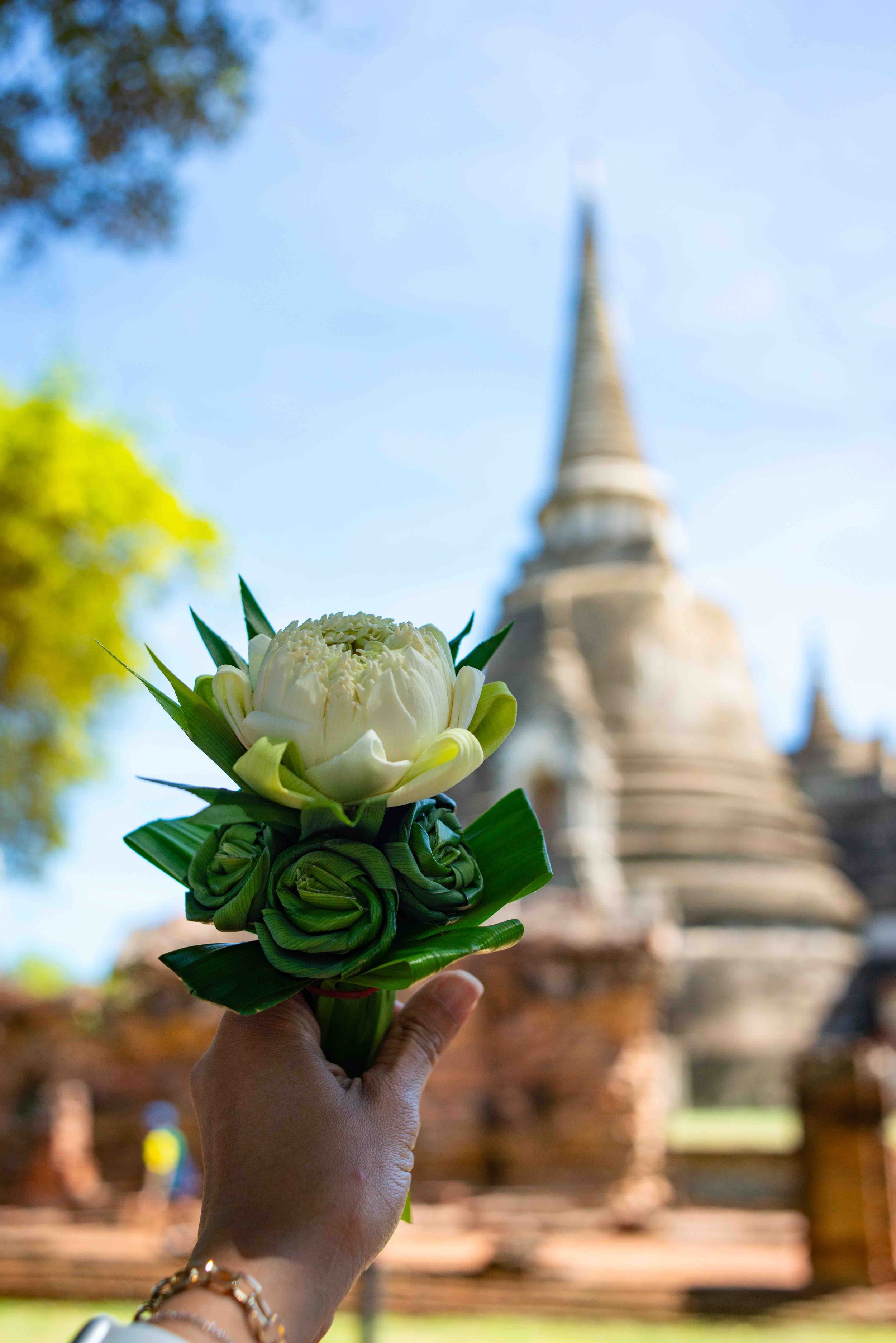
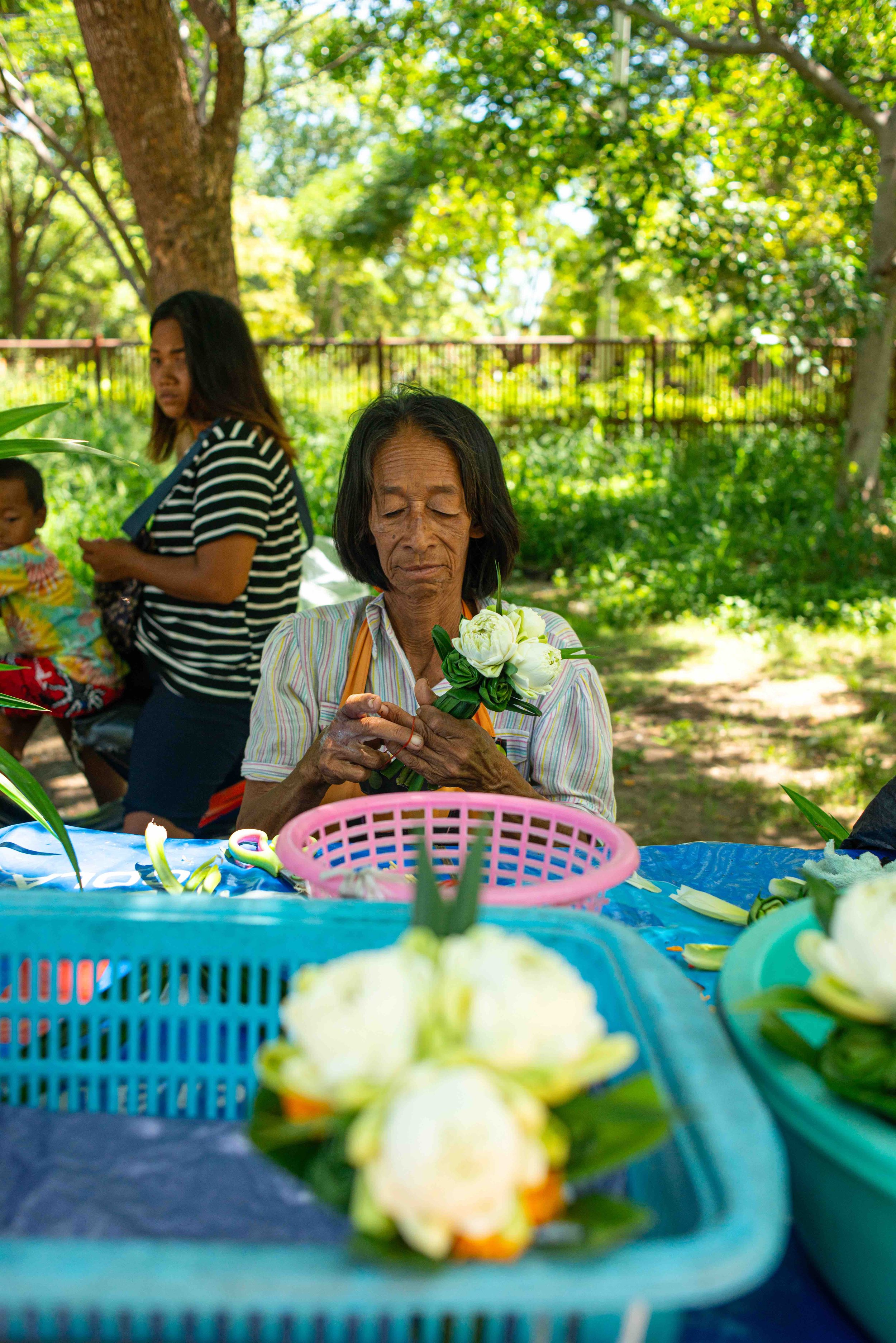
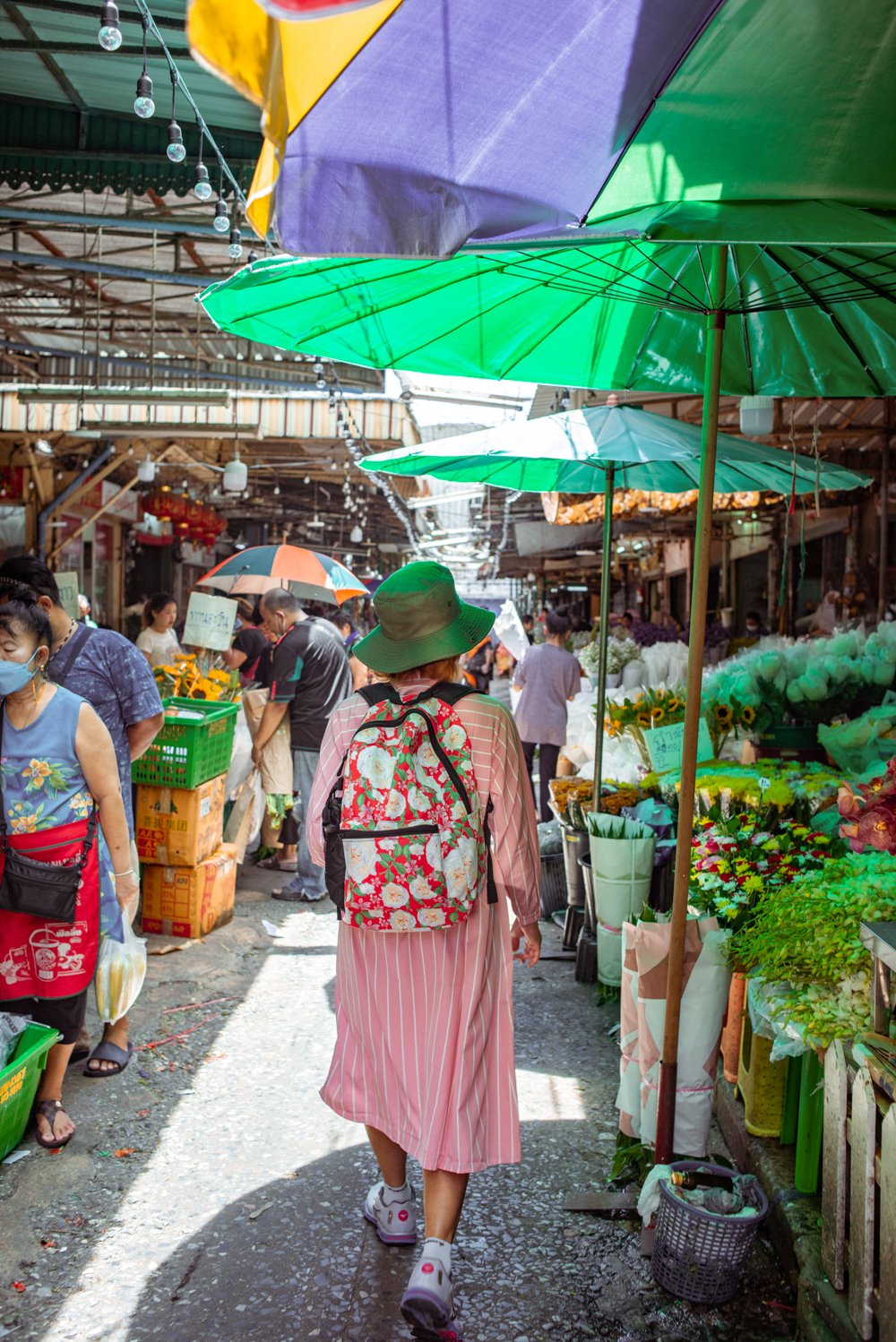
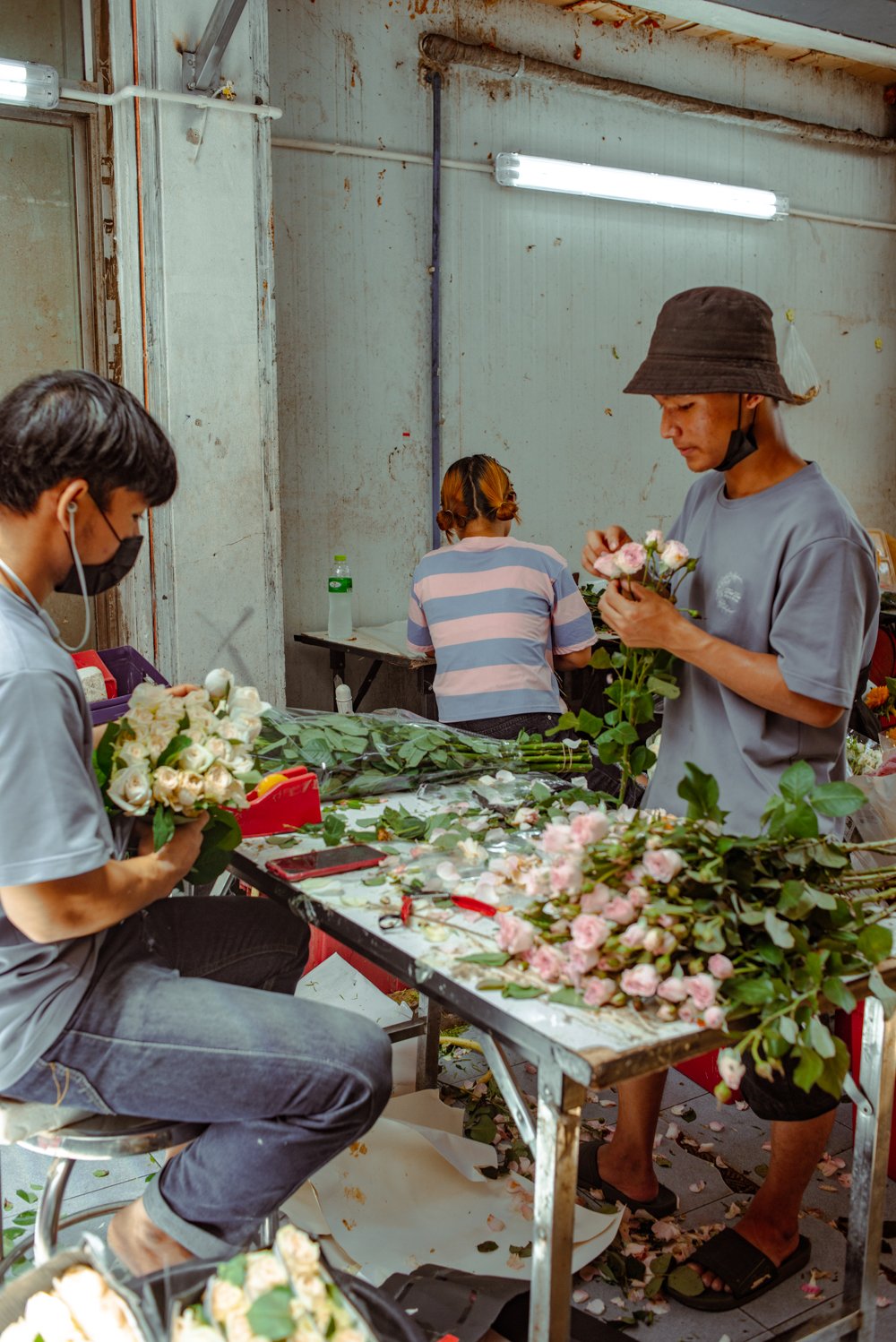
The journey to Ayutthaya also inspired us to visit Bangkok’s Flower Market, or Pak Khlong Talat, where we inspected the blooms prepared by the wholesale businesses for the masses to use. Flowers are very much a part of their religious offerings. This has kept the culture of flower arrangements alive, and not just confined to weddings.

The flower industry thrives because offerings are very much a part of of Thailand’s religious culture.
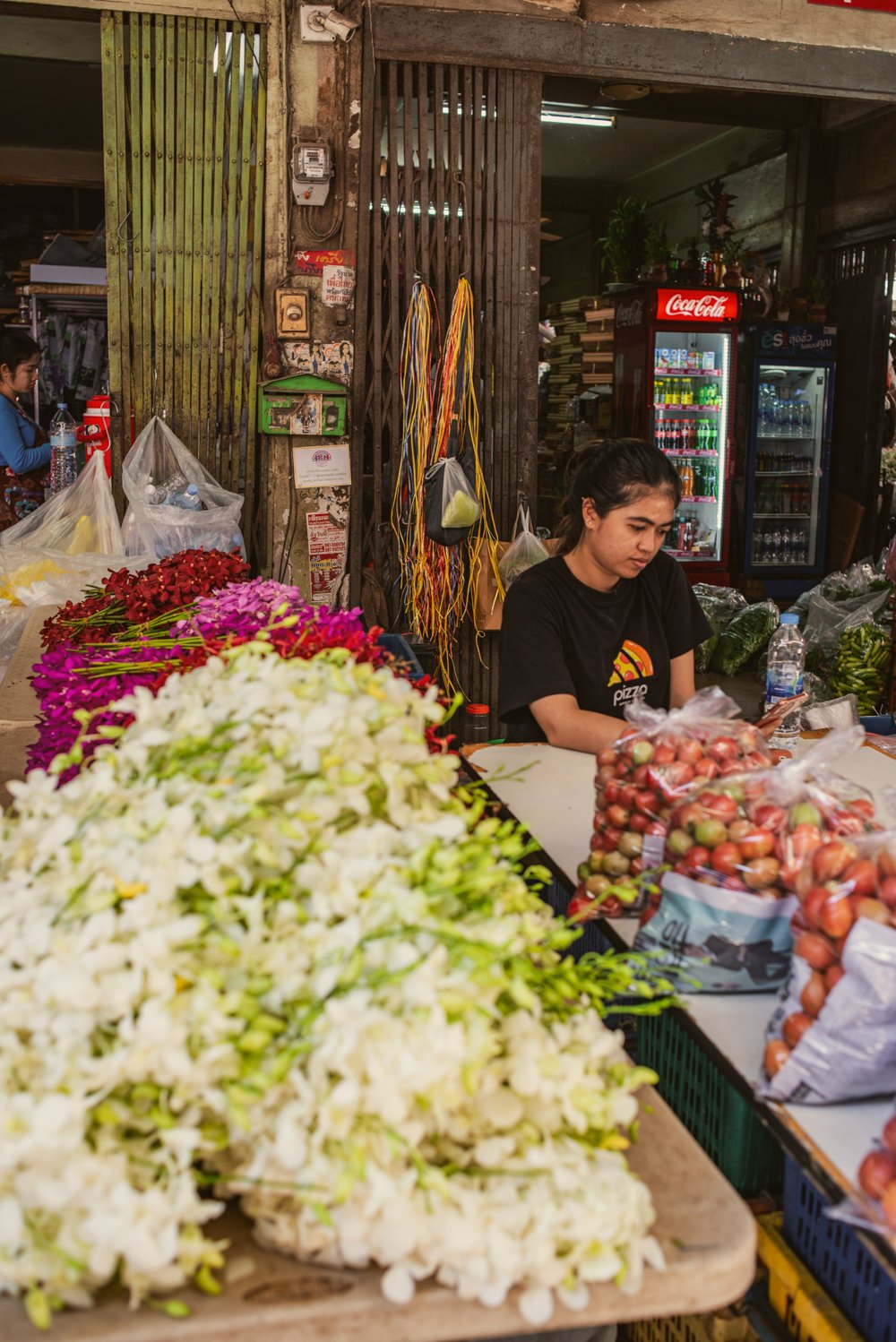
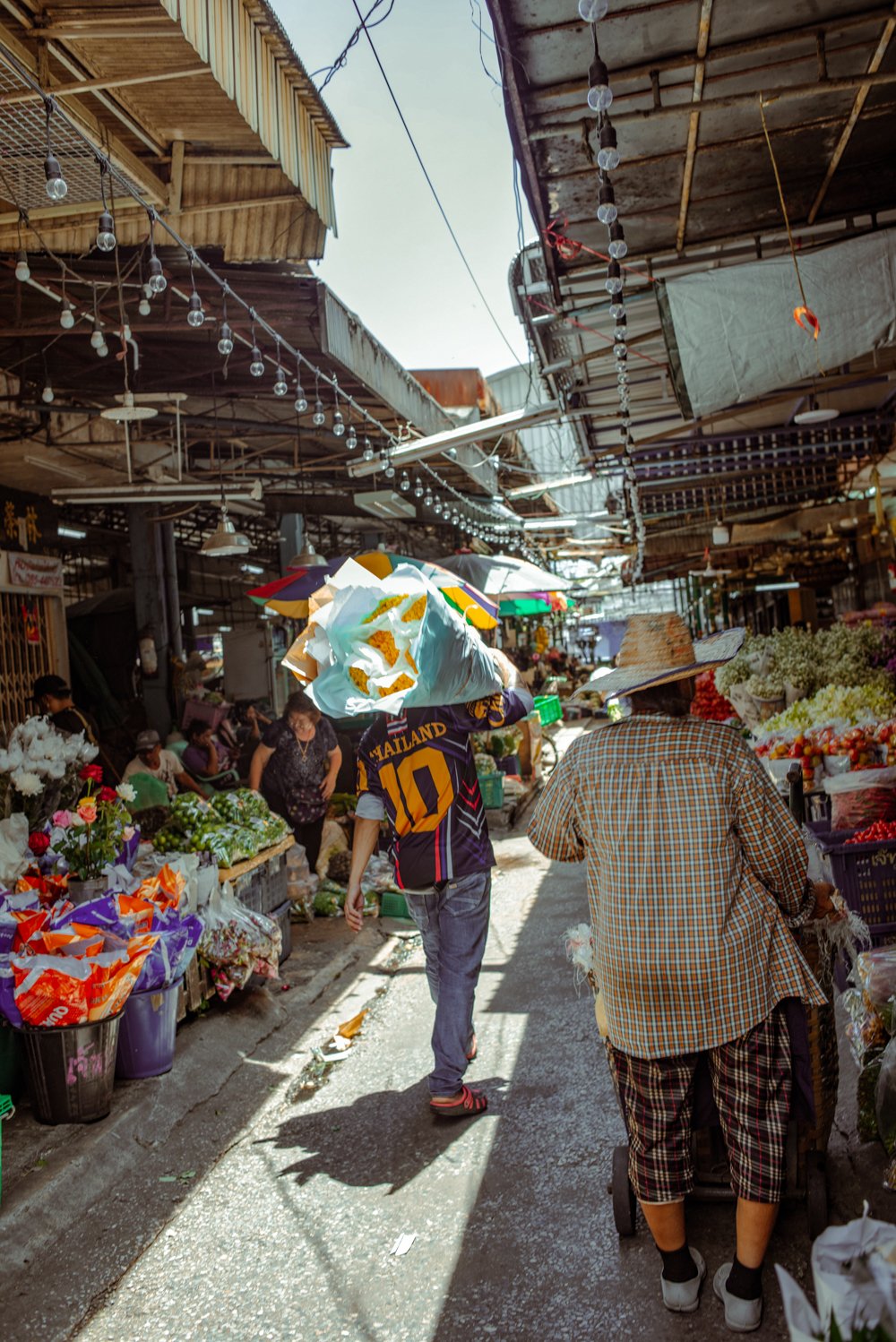
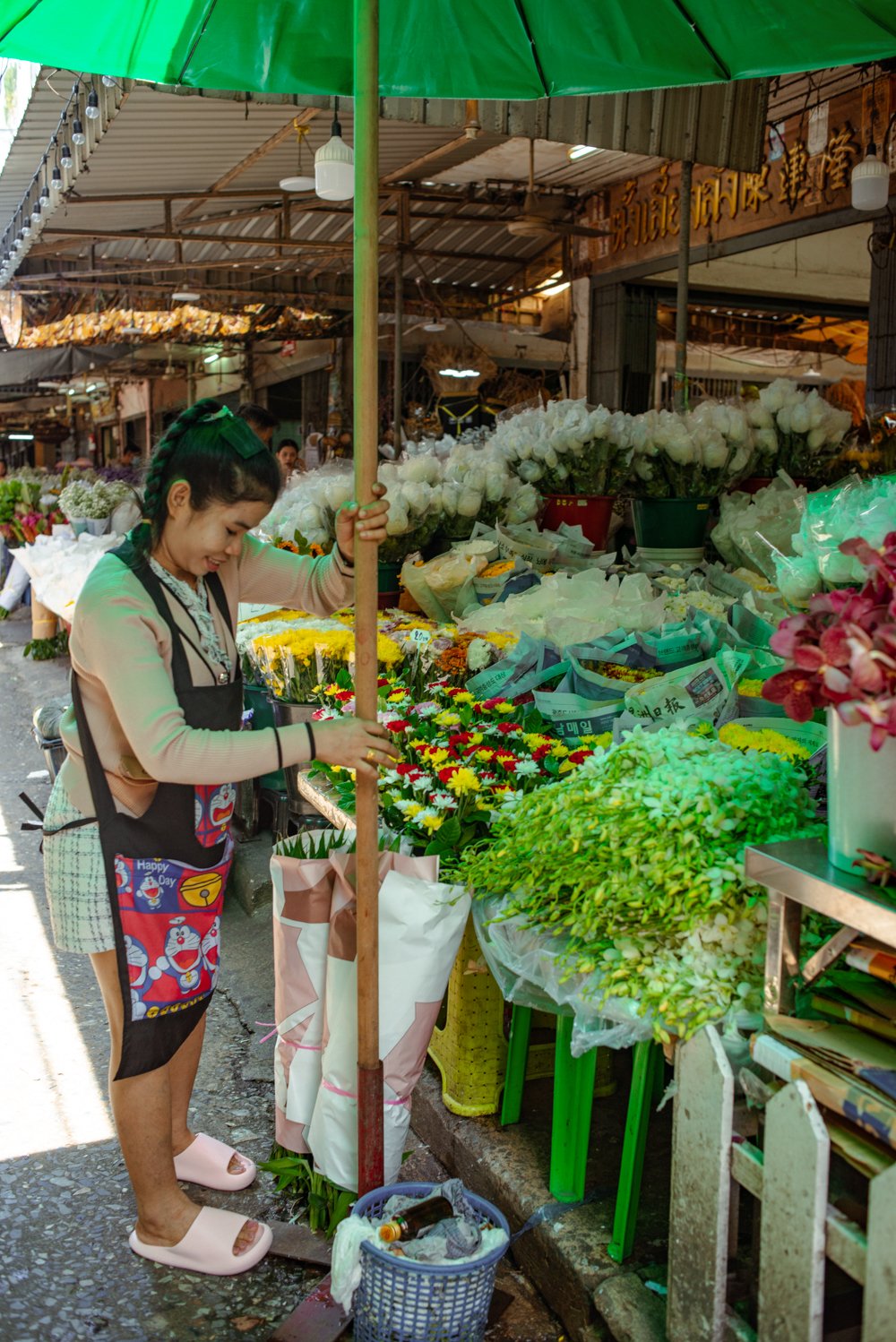
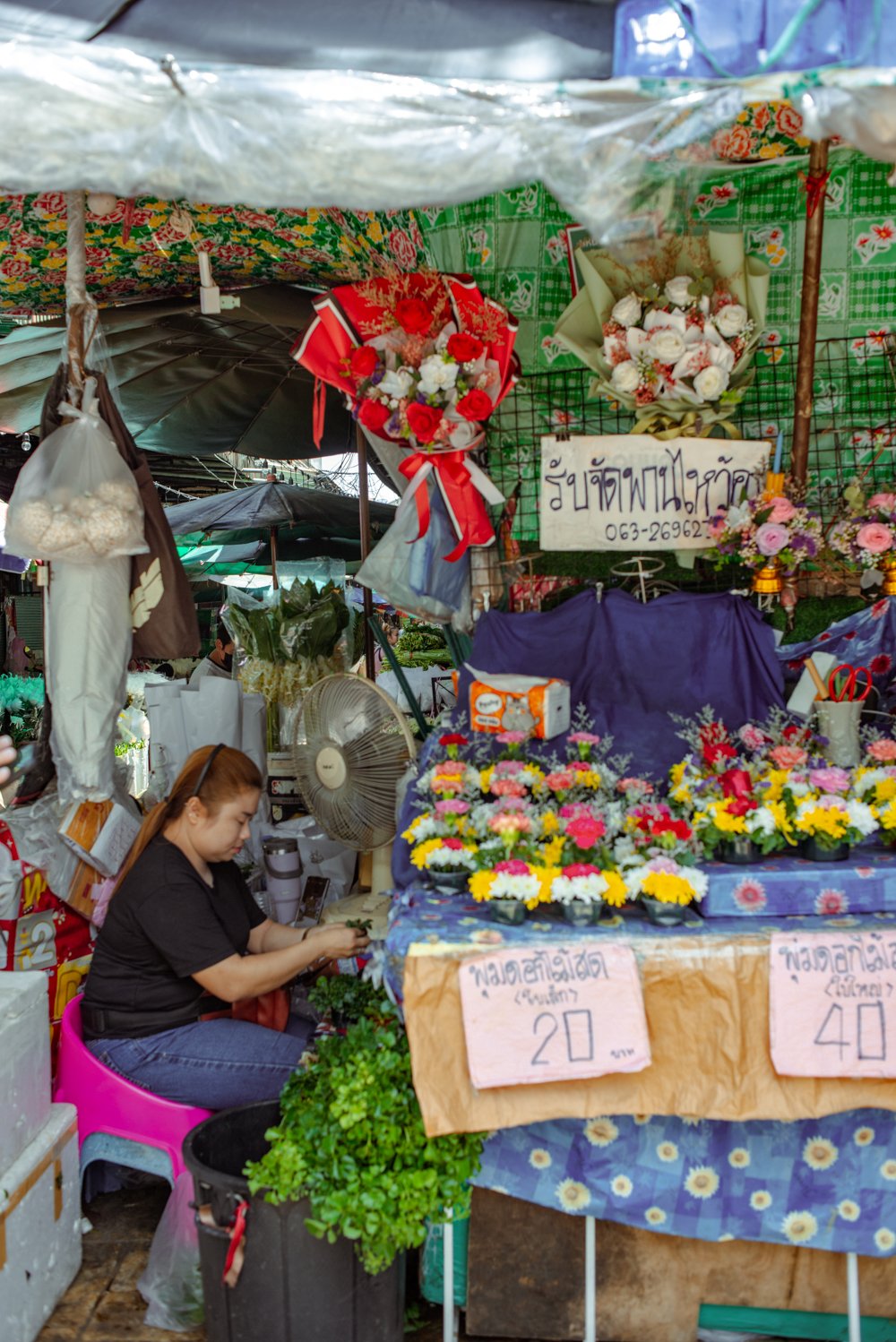
We left Thailand with a memory of a particularly hot summer – and of beautiful, vivid trees and fragrant flowers.
We hope our Thailand trip will inform our approach to designing more low-impact, carbon-neutral products. Find out on more products based on flowers we grew and drew, and photographed, in West London on our Design Shop.
Photography by © Zarina Holmes and Salina Christmas.
CHECK OUT OUR BACKPACKS
CHECK OUT OUR WATER BOTTLES
CHECK OUT OUR PHONE CASES
Like our blog on the inspiration behind our illustrations and photography? Subscribe to our newsletter.
SUBSCRIBE
 Studio GLUE